
- Home -
- Blog
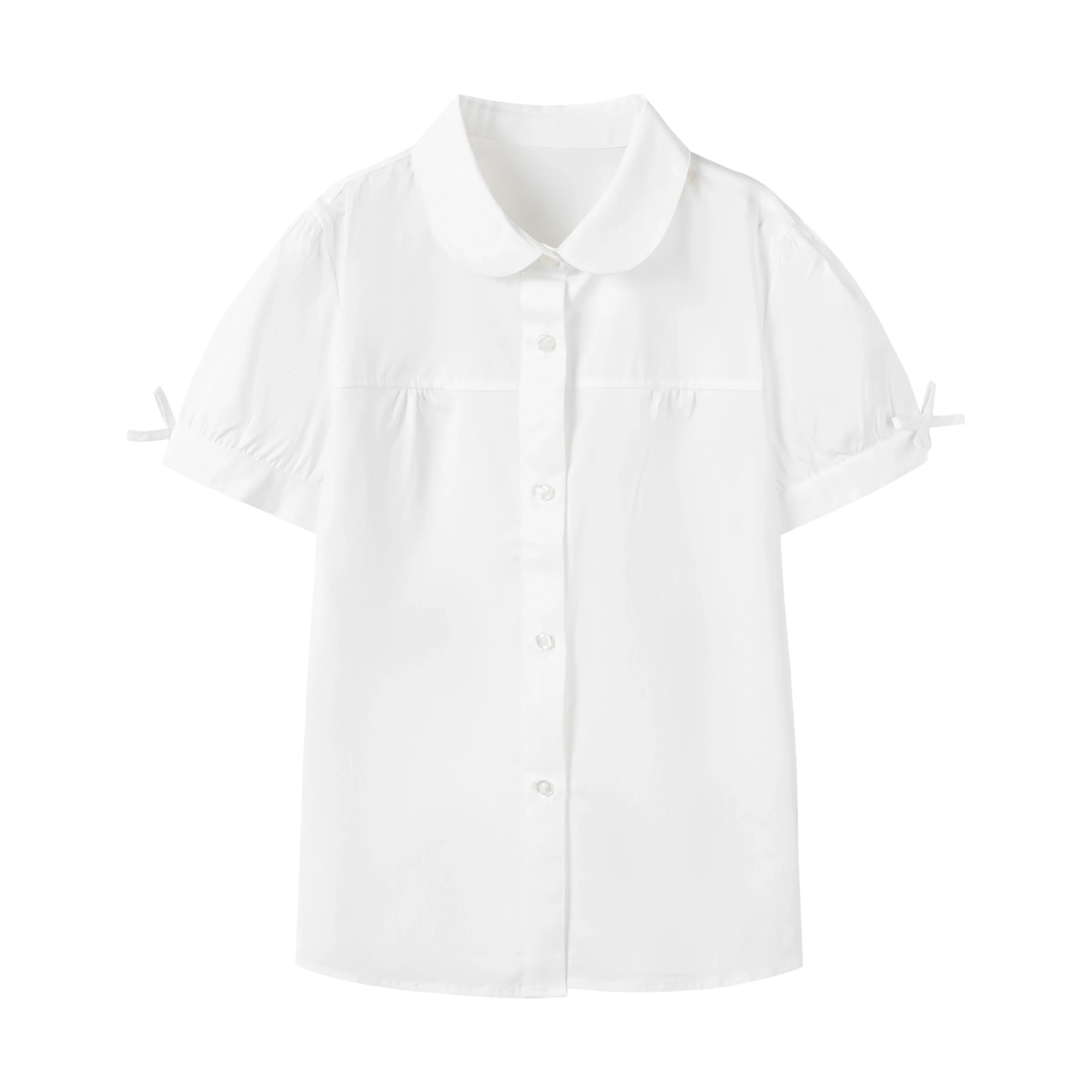
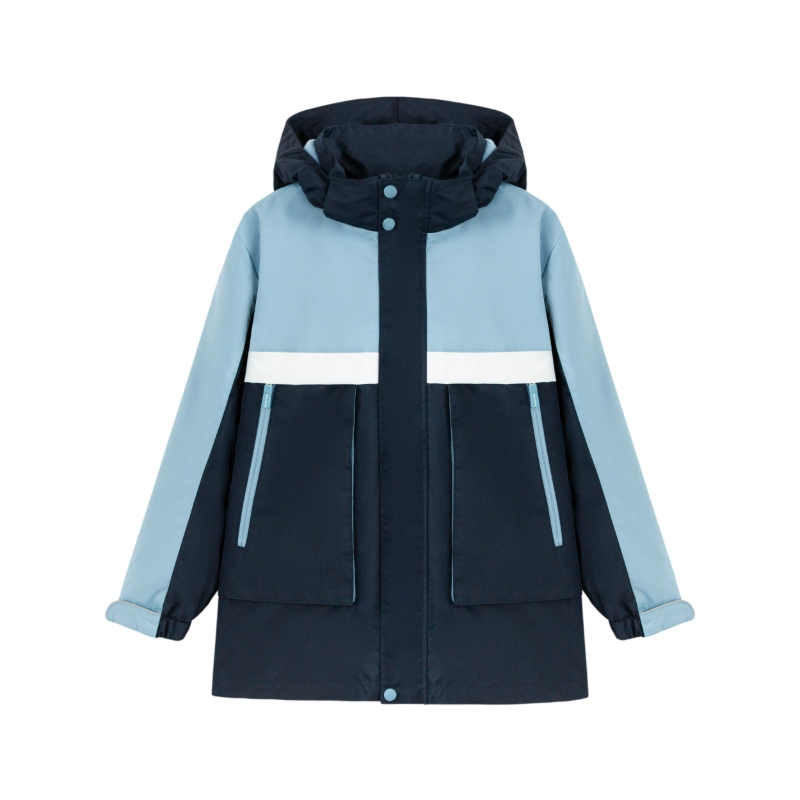
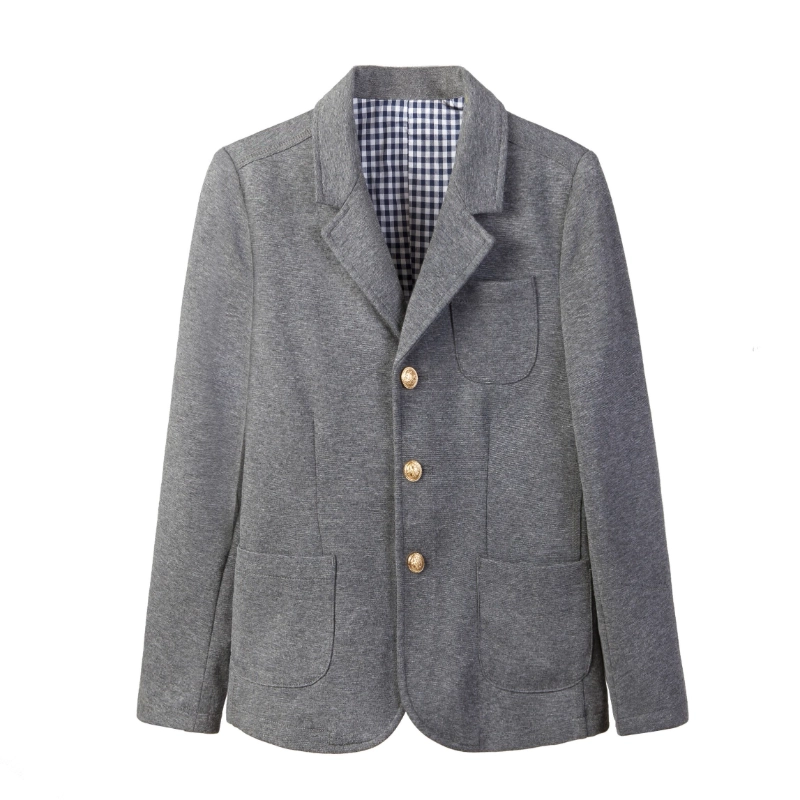
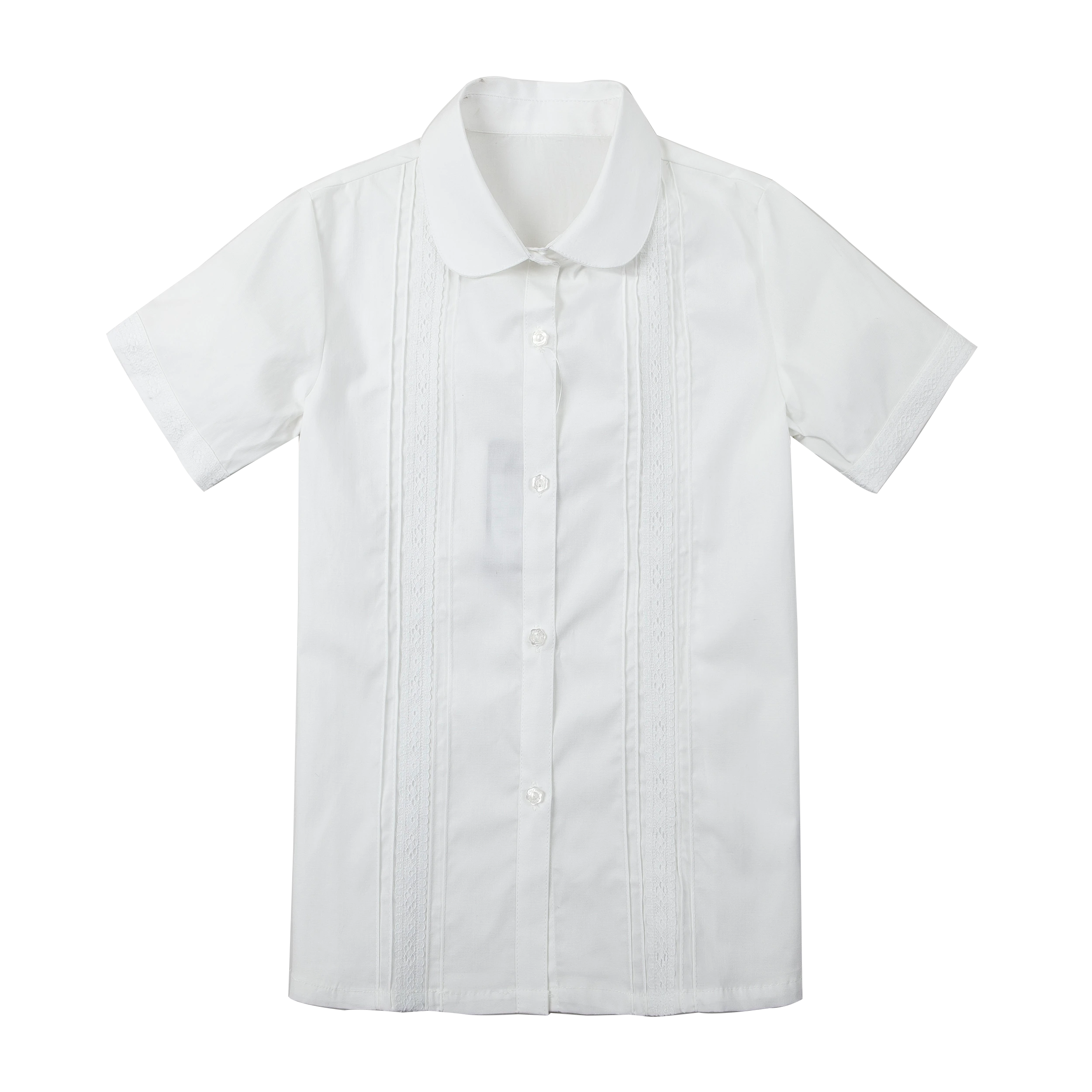
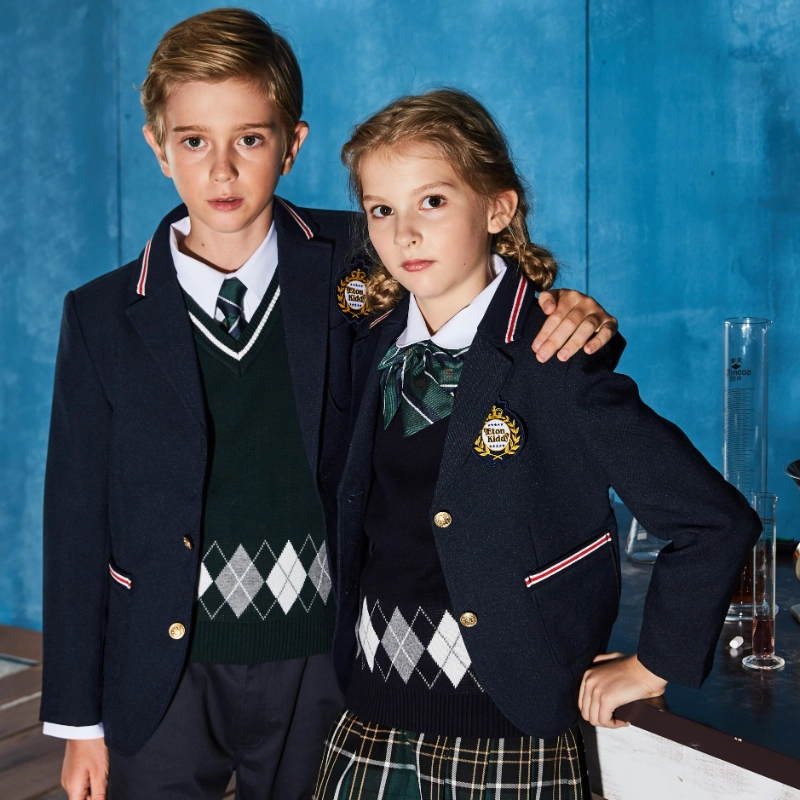


School uniform procurement is not a simple purchasing decision. It is the design of a supply system that will operate across academic cycles, student growth patterns, seasonal changes, and budget planning.
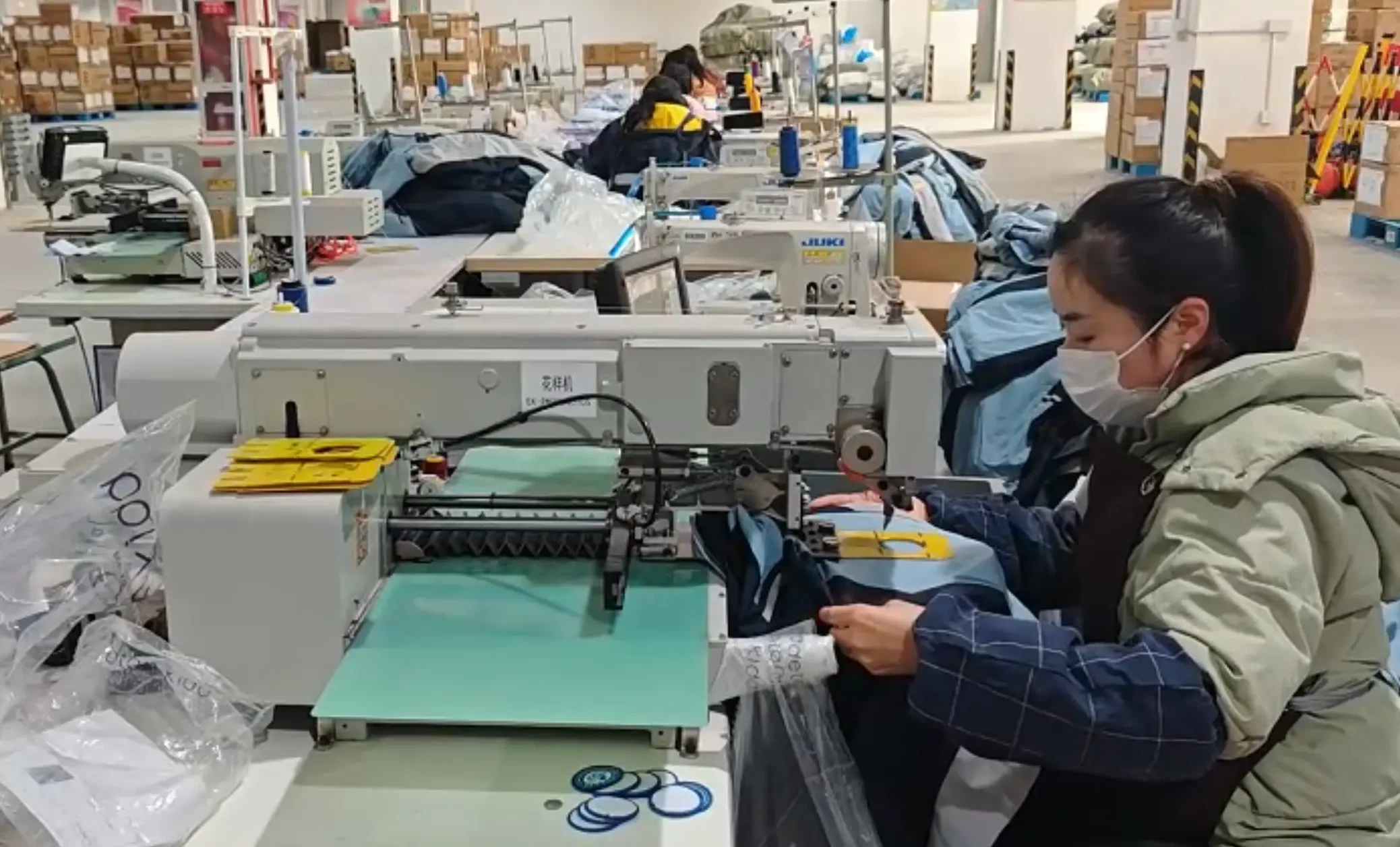
In the global K–12 school uniform industry, success is not measured by how quickly a factory secures its first order. It is measured by how consistently it earns the second, third, and tenth orders.

A well-prepared RFQ is not just about getting a number. It reflects project seriousness, planning clarity, and long-term intent.In school uniform manufacturing, precision matters — from fabric selection to size grading to delivery timelines.

As a factory dedicated to long-term K–12 school uniform programs, our MOQ structure reflects how garments are actually produced at an industrial scale—how fabrics are sourced, how cutting lines are scheduled, how sewing teams are stabilized, and how quality is controlled across millions of units every year.

A short-sleeve T-shirt is one of the most frequently worn garments in a student’s daily life. From classrooms and study halls to sports fields and social activities, it quietly carries the responsibility of comfort, durability, and appearance. While style and color often catch the eye first, fabric choice is what determines whether a T-shirt feels pleasant after hours of wear or becomes a distraction halfway through the day.

Choosing a school uniform supplier is not a short-term purchasing decision. It is a strategic commitment that can influence daily student life, school operations, and brand perception for years. Unlike seasonal apparel or promotional clothing, school uniforms must perform consistently across academic cycles, enrollment changes, and evolving regulatory requirements.