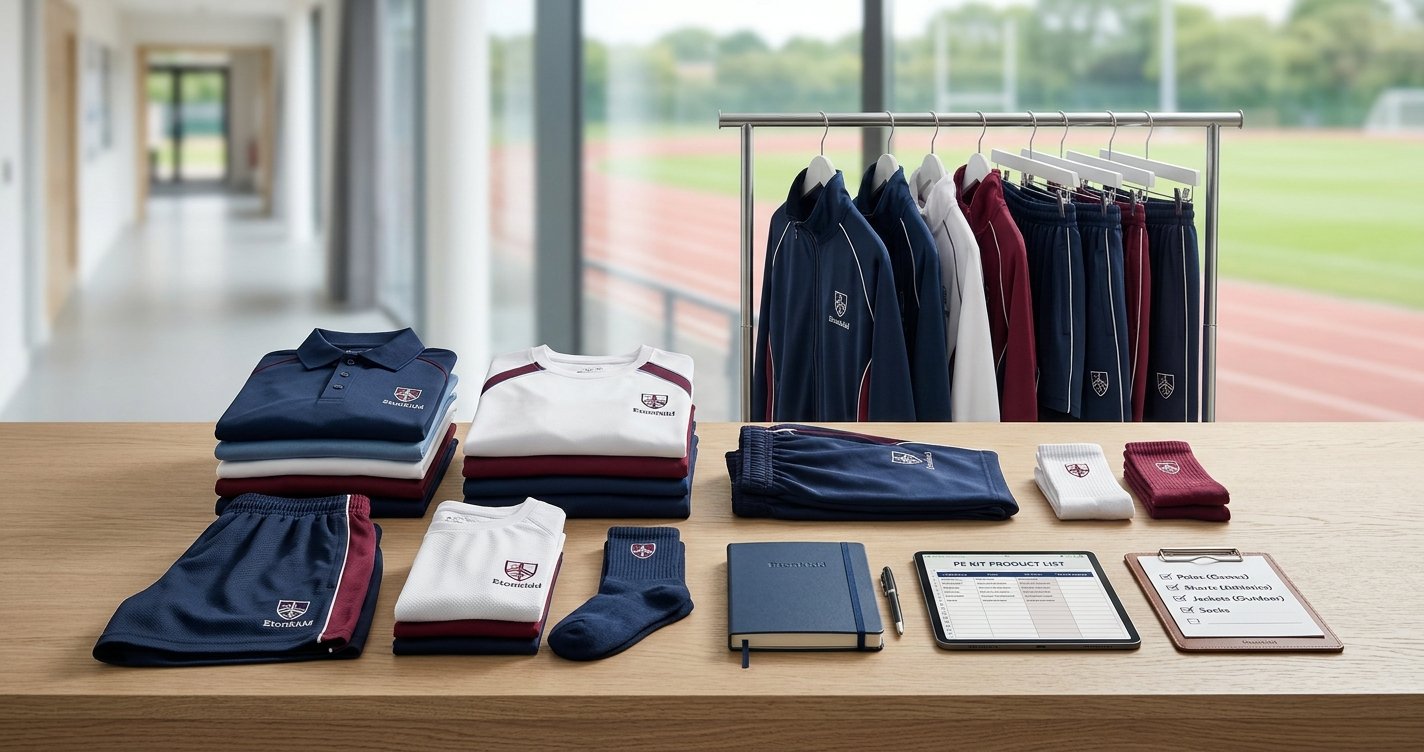
Quick Answer: When choosing the right school jacket, it is important to consider the performance of the fabric, its weather protection, comfort, durability, and whether it meets the school uniform requirements.
According to the textile performance standards of ASTM International and ISO 6330 (Textiles — Domestic Washing and Drying Procedures), a high-quality school jacket should maintain its strength, dimensional stability, color retention, and functional performance after repeated use and washing. The best choice combines suitable materials, reliable construction, and practical design features that match students’ daily activities and local climate conditions.
For schools, uniform suppliers, and apparel brands, selecting the correct school jacket is about more than just appearance; it’s also about long-term wearability, safety, and cost efficiency. A well-designed jacket can provide students with comfort throughout the school year while reducing the frequency of replacements and maintenance costs.
Introduction
A school jacket is an essential component of many school uniform systems, offering students protection from changing weather conditions while ensuring a consistent appearance. Unlike ordinary fashion outerwear, school jackets are designed for frequent daily use, so they need to be comfortable, durable, safe and easy to maintain.
Students typically wear them for several hours every day, often during activities involving movement, such as outdoor breaks, commuting and classroom transitions. Consequently, an attractive jacket that lacks functional performance may quickly become uncomfortable or require replacement.
For schools and uniform programmes, selecting the right jacket involves more than just choosing a colour or style. Important factors include:
- Fabric durability
- Breathability
- Weather resistance
- Ease of washing
- Fit and mobility
- Manufacturing quality
A poorly selected school jacket may result in problems such as limited movement, overheating, fabric damage after washing, fading colours, or insufficient protection during cold and wet weather.
Modern school uniform suppliers are increasingly focusing on technical fabrics and improved garment construction to address these issues. Materials such as polyester blends, fleece fabrics, softshell textiles and recycled fibres enable manufacturers to create lightweight, durable jackets that are suitable for different environments.
Understanding these key selection criteria helps schools, parents and apparel buyers to choose jackets that will provide better value throughout their service life.

Why Choosing the Right School Jacket Matters?
Comfort During Daily Wear
Comfort is one of the most important factors when selecting a school jacket because students wear these garments for extended periods. A jacket that restricts movement or causes discomfort can affect students’ daily experiences.
The comfort of a school jacket depends on several elements:
Fabric Softness
The fabric should feel comfortable against clothing and skin. Rough or stiff materials may create discomfort, especially during long school days.
Common comfortable materials include:
- Cotton-polyester blends
- Soft fleece lining
- Brushed fabrics
- Lightweight performance textiles
Breathability
Students frequently move between classrooms, outdoor areas, and transportation environments. A jacket that traps excessive heat can cause discomfort.
Breathable fabrics help manage moisture by allowing body heat and perspiration to escape while maintaining protection from external conditions.
Weight and Flexibility
A school jacket should protect without adding unnecessary bulk. Lightweight designs allow students to move freely during:
- Physical education classes
- Outdoor activities
- Playground time
- Daily commuting
For younger students especially, flexible construction is important because excessive stiffness can limit movement.
Durability for Long-Term Use
School jackets experience significant wear because students use them repeatedly throughout the school year. Unlike occasional fashion garments, uniforms must withstand frequent washing, friction, and outdoor exposure.
A durable school jacket should have strong performance in several areas:
Fabric Abrasion Resistance
Students often carry backpacks, lean against surfaces, and participate in activities that create friction. Fabrics with good abrasion resistance maintain appearance and structure longer.
Synthetic fibers such as polyester are commonly selected because they provide:
- High strength
- Good abrasion resistance
- Shape retention
- Easy maintenance
Seam Strength
Even high-quality fabric can fail if garment construction is poor. Reinforced stitching and properly finished seams improve durability in high-stress areas, including:
- Shoulders
- Sleeves
- Side seams
- Pocket openings
Color Retention
School jackets often require consistent colors that represent school identity. Fabric dye quality and finishing technology influence whether colors remain stable after repeated washing.
According to textile testing practices, colorfastness evaluation is an important indicator of garment quality.
Washing Performance
Because students frequently wear uniforms, easy-care properties are essential. A good school jacket should maintain:
- Original shape
- Fabric strength
- Color appearance
- Surface texture
after multiple washing cycles.
Weather Protection Requirements
A school jacket should match the climate where it will be used. Different regions require different levels of insulation, water resistance, and wind protection.
Cold Weather School Jackets
For winter climates, jackets need stronger thermal performance. Common features include:
- Fleece lining
- Quilted insulation
- Wind-resistant outer layers
- Adjustable cuffs
These designs help maintain body warmth during outdoor activities.
Rainy or Humid Environments
In areas with frequent rainfall, water-resistant materials provide additional protection.
Useful features include:
- Water-repellent finishes
- Coated fabrics
- Adjustable hoods
- Quick-drying materials
A waterproof or water-resistant school jacket helps students remain comfortable during commuting and outdoor activities.
Mild Climate Jackets
For spring and autumn seasons, lightweight jackets are often preferred. These designs focus on:
- Breathability
- Easy layering
- Lightweight construction
- Comfortable movement
They provide enough protection without causing overheating.

Key Factors to Consider When Choosing a School Jacket
Select the Right Fabric Material
Fabric selection directly affects comfort, durability, and performance. Different materials offer different advantages depending on the intended application.
Polyester
Polyester is one of the most commonly used materials for school jackets because it provides:
- Excellent durability
- Wrinkle resistance
- Easy washing
- Fast drying
It is suitable for large-scale school uniform programs because it maintains performance under frequent use.
Cotton Blend
Cotton blends combine natural softness with improved durability. They provide a comfortable wearing experience while maintaining better shape retention than pure cotton.
Advantages include:
- Soft hand feel
- Good comfort
- Natural fiber characteristics
However, cotton blends may require additional finishing for stronger water resistance.
Fleece Fabric
Fleece-lined school jackets are popular for colder seasons because they provide warmth without excessive weight.
Benefits include:
- Thermal insulation
- Soft inner surface
- Lightweight structure
Softshell Fabric
Softshell materials provide a balance between flexibility, wind resistance, and breathability.
They are often used for active students who require greater freedom of movement.
Recycled Fabrics
Sustainable school uniforms are becoming increasingly popular. Recycled polyester and eco-friendly materials help reduce environmental impact while maintaining functional performance.
Comparison of Common School Jacket Fabrics
| Fabric Type | Advantages | Limitations | Suitable Season |
| Polyester | Durable, easy-care, quick drying | Lower natural softness | Spring, autumn, all-purpose use |
| Cotton Blend | Comfortable, breathable, soft feel | Requires more care | Mild weather |
| Fleece | Warm, lightweight insulation | Less suitable for hot climates | Winter |
| Softshell | Flexible, wind-resistant, breathable | Higher cost | Outdoor activities |
| Recycled Fabric | Sustainable, environmentally friendly | Material availability varies | Year-round |
How to Evaluate School Jacket Quality?
Selecting the right school jacket requires more than checking the fabric composition or appearance. A high-quality jacket should combine reliable materials, functional design, and strong manufacturing processes to withstand daily student activities. For schools and uniform suppliers, evaluating garment quality before bulk purchasing helps reduce replacement costs and ensures consistent performance throughout the academic year.
Stitching and Garment Construction
The construction quality of a school jacket directly affects its durability and service life. Even premium fabrics may fail prematurely if stitching quality is poor or stress areas are not reinforced properly.
Important construction details include:
Reinforced Seams
Areas exposed to frequent movement, such as shoulders, armholes, and side seams, require strong stitching techniques. Double stitching or reinforced seams can improve resistance against pulling and repeated wear.
Sleeve and Cuff Design
Sleeves should provide sufficient flexibility while maintaining shape after extended use. Adjustable cuffs are particularly useful for winter school jackets because they help prevent cold air from entering and allow better fitting.
Pocket Structure
School jackets often include pockets for practical purposes, such as carrying stationery, personal items, or small accessories. Pocket openings should be reinforced because they experience frequent stress during daily use.
Overall Shape Retention
A quality school jacket should maintain its original shape after repeated wearing and washing. Fabrics with good dimensional stability reduce issues such as shrinking, stretching, or deformation.
Zipper and Accessories Selection
Accessories may seem like small components, but they significantly influence the usability and durability of a school jacket.
Zippers
A durable zipper should provide:
- Smooth opening and closing
- Resistance to repeated use
- Strong teeth structure
- Protection against accidental damage
For younger students, larger zipper pulls are often preferred because they are easier to operate.
Buttons and Fasteners
If a jacket includes buttons, snaps, or decorative fasteners, these components should be securely attached. Loose accessories can create safety concerns and reduce garment lifespan.
Labels and Branding
School jackets often include:
- Embroidered school logos
- Printed labels
- Name tags
These elements should be applied using durable techniques that maintain appearance after washing.
Safety Features for Student Jackets
Safety is an increasingly important consideration in school uniform design. Students may travel early in the morning, participate in outdoor activities, or walk in low-light conditions.
Useful safety features include:
Reflective Elements
Reflective strips or logos improve visibility in:
- School transportation areas
- Parking zones
- Outdoor environments
Comfortable Fit
A proper fit is essential for both safety and mobility. Jackets that are too loose may interfere with movement, while jackets that are too tight can restrict activity.
Child-Friendly Design
For younger students, manufacturers should consider:
- Secure accessories
- Comfortable collars
- Non-irritating labels
- Easy operation features
Custom School Jacket Selection for Schools and Brands
For schools, distributors, and apparel brands, selecting a supplier involves additional considerations beyond product quality. Large-scale uniform programs require consistency, customization capability, and reliable production capacity.
OEM and ODM Requirements
Many schools choose customized school jackets to create a consistent identity. OEM and ODM manufacturing allows customization of:
- Fabric selection
- Colors
- Logo placement
- Jacket styles
- Packaging requirements
A professional manufacturer should be able to provide samples, material options, and production recommendations based on the school’s requirements.
Fabric Customization
Different schools may require different performance characteristics.
Examples include:
Winter Uniform Programs
Recommended features:
- Fleece lining
- Thermal insulation
- Wind-resistant outer fabric
- International School Uniforms
Common requirements:
- Premium appearance
- Comfortable fabrics
- Easy-care properties
- Outdoor Activity Jackets
Preferred characteristics:
- Lightweight construction
- Breathability
- Water resistance
Bulk Purchasing Considerations
When purchasing school jackets in large quantities, buyers should evaluate:
- Production capacity
- Quality control procedures
- Lead time
- Fabric consistency
- Packaging standards
Bulk buyers should also consider long-term availability because schools often need replacement garments for new students or damaged uniforms.

Common Mistakes When Buying School Jackets
Many problems with school jackets occur because buyers focus only on appearance or initial cost rather than long-term performance.
Choosing Appearance Over Function
A visually attractive jacket may not provide sufficient comfort or durability. School uniforms must prioritize daily usability rather than short-term appearance.
Important performance factors include:
- Fabric strength
- Weather protection
- Breathability
- Maintenance requirements
Ignoring Washing Requirements
School jackets require frequent cleaning, so washing performance is essential.
Common problems caused by unsuitable materials include:
- Shrinkage
- Color fading
- Fabric deformation
- Reduced insulation performance
Buyers should review fabric testing information and washing instructions before selecting a product.
Selecting Unsuitable Fabrics for the Climate
A heavy winter jacket may be uncomfortable in warmer regions, while lightweight jackets may not provide enough protection in cold climates.
The correct fabric should match:
- Local temperature range
- Rain conditions
- Student activities
- Seasonal requirements
Not Considering Student Activities
Students are active throughout the school day. Jackets should support movement rather than restrict it.
For active environments, buyers should consider:
- Flexible fabrics
- Comfortable sleeves
- Lightweight construction
- Breathable materials
School Jacket Selection Checklist
| Selection Factor | What to Evaluate | Why It Matters |
| Fabric Material | Polyester, cotton blend, fleece, softshell | Determines comfort and durability |
| Climate Suitability | Insulation, water resistance, breathability | Ensures appropriate protection |
| Construction Quality | Seams, stitching, reinforcement | Improves service life |
| Accessories | Zippers, buttons, labels | Affects daily usability |
| Safety Features | Reflective elements, comfortable fit | Improves student safety |
| Maintenance | Washing and drying performance | Reduces replacement costs |
Frequently Asked Questions (FAQ)
- What is the best material for a school jacket?
The best material depends on climate and usage requirements. Polyester is widely used because it offers durability, easy maintenance, and quick drying properties. For colder environments, fleece-lined polyester or softshell fabrics provide additional warmth and protection.
- How should I choose a school jacket size?
A school jacket should allow comfortable movement and enough space for layering without being excessively loose. Consider sleeve length, shoulder width, and the student’s expected growth period when selecting sizes.
- Are polyester school jackets durable?
Yes. Polyester school jackets are commonly selected for uniform programs because polyester fibers provide excellent abrasion resistance, shape retention, and washing durability. They are suitable for students who wear jackets frequently.
- What jacket is best for winter school uniforms?
Winter school jackets usually require insulated materials such as fleece lining, padded layers, or thermal fabrics. The best choice depends on local weather conditions and whether students spend significant time outdoors.
- How often should a school jacket be replaced?
A school jacket’s lifespan depends on fabric quality, usage frequency, washing methods, and maintenance. A well-made jacket can often last several school seasons when properly cared for.
- What features should a good school jacket have?
A quality school jacket should include durable fabric, comfortable construction, reliable zippers, suitable weather protection, strong stitching, and easy-care performance. For younger students, safety and mobility features are also important.
Conclusion
Selecting the ideal school jacket necessitates a thorough evaluation of materials, construction quality, environmental considerations, and student requirements. Unlike regular outerwear, school jackets must be able to withstand frequent daily use while maintaining their comfort, appearance, and protective performance.
The ideal jacket combines durable fabrics, reliable stitching, functional accessories, and suitable weather protection. Polyester blends are a popular choice thanks to their excellent durability and easy-care properties, while fleece and softshell materials offer enhanced performance in colder or more active environments.
Investing in properly designed school jackets can improve student comfort, strengthen school identity, and reduce long-term replacement costs for schools, uniform suppliers, and apparel brands. By considering fabric technology, garment construction, and practical requirements, buyers can select reliable jackets for the whole academic year.