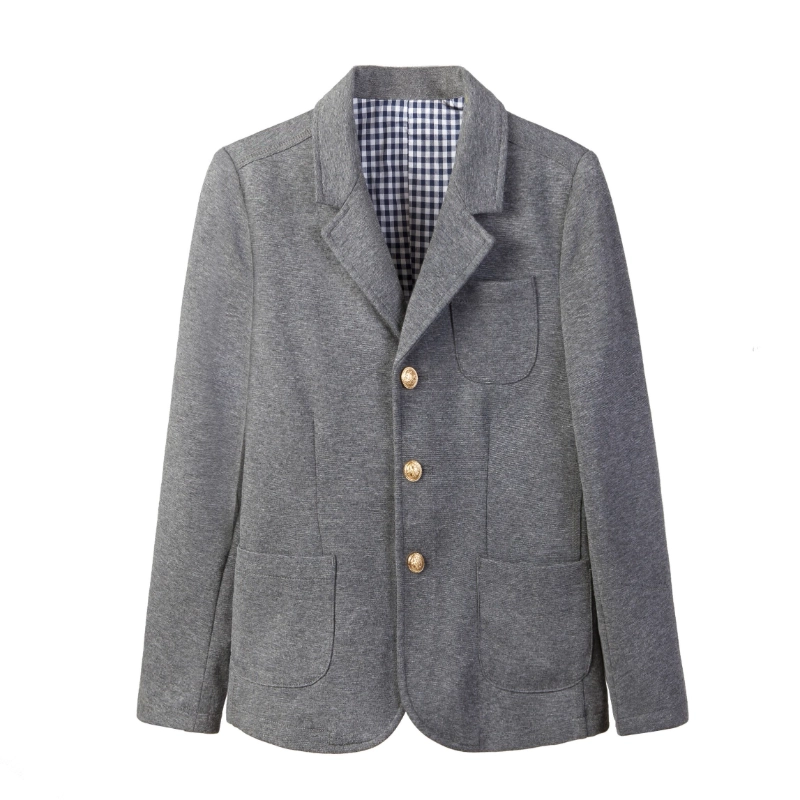
School uniform procurement is not a simple purchasing decision. It is the design of a supply system that will operate across academic cycles, student growth patterns, seasonal changes, and budget planning.
When a tender pack is poorly structured, problems often appear months later:
Inconsistent sizing between batches
Fabric shade variation
Unexpected price adjustments
Missed back-to-school deadlines
Compliance disputes
Replenishment shortages
When a tender pack is well prepared, it aligns expectations before production begins. It reduces ambiguity, protects the school’s reputation, and ensures that suppliers compete on clear, measurable standards.
Define Program Scope and Duration
The first and most important step is clarity of scope.
A tender should clearly answer:
Is this for a single school or a school group?
Is it a one-year contract or a multi-year framework agreement?
Is the supplier expected to support replenishment?
Is inventory storage required?
Ambiguity in scope forces suppliers to add pricing buffers to compensate for uncertainty.
Recommended Scope Definition Table
| Item | Description Required |
|---|---|
| Contract Duration | 1 year / 3 years / 5 years |
| Estimated Annual Volume | Per category breakdown |
| Delivery Regions | Local / National / International |
| Program Type | Direct-to-school / Distributor-based |
| Replenishment Model | Seasonal / On-demand / Forecast-based |
The clearer the forecast, the more accurate the pricing and capacity planning.
Long-term programs often attract more structured manufacturers. Short-term contracts tend to attract smaller reactive suppliers.

Technical Specifications: Eliminate Assumptions
Many uniform tenders fail because they describe garments visually rather than technically.
Instead of writing “navy blazer,” specify:
Fabric composition
Fabric weight (gsm)
Weave type
Color reference (Pantone code)
Performance standards
Lining material
Button material
If technical expectations are not defined, suppliers will interpret them differently.
Example Technical Specification Table
| Category | Requirement |
|---|---|
| Fabric Composition | 65% Polyester / 35% Cotton |
| Fabric Weight | 240–260 gsm |
| Color Standard | Pantone 296C |
| Shrinkage Tolerance | ≤ 3% after washing |
| Colorfastness | Grade 4 minimum |
| Pilling Resistance | Grade 3.5+ |
These standards reduce subjectivity in bulk delivery.
Size Charts and Grading Standards
Sizing inconsistency is one of the most frequent causes of parent complaints.
A professional tender pack should include:
Detailed measurement charts (cm preferred)
Tolerance limits
Age and body reference alignment
Separate boys and girls grading, if applicable
Sample Measurement Structure
| Size | Chest (cm) | Length (cm) | Sleeve (cm) | Tolerance |
|---|---|---|---|---|
| 120 | 76 | 50 | 42 | ±1 cm |
| 130 | 80 | 54 | 46 | ±1 cm |
| 140 | 84 | 58 | 50 | ±1 cm |
Clarifying tolerance prevents disputes over minor dimensional variations.
Consistency across years is more important than perfection in one batch.
Branding and Logo Requirements
Branding details must be documented precisely.
Tender packs should include:
High-resolution logo artwork
Embroidery thread codes
Patch dimensions
Placement measurements
Approval process for strike-offs
Without these details, sampling cycles become prolonged.
Compliance and Certification Requirements
Schools increasingly require ethical sourcing and compliance documentation.
Tender packs should specify whether suppliers must provide:
Social compliance certifications
Factory audit reports
Environmental compliance statements
Material traceability documents
Clear compliance requirements filter suppliers before evaluation.
Delivery Planning and Academic Calendar Alignment
Uniform programs operate around fixed school start dates.
Tender packs should include:
Initial bulk delivery deadline
Seasonal delivery schedule
Replenishment turnaround expectation
Emergency order handling timeline
Suggested Delivery Timeline Example
| Phase | Timeline |
|---|---|
| Tender Release | January |
| Sample Approval | March |
| Bulk Production | April–June |
| First Shipment | July |
| Back-to-School Distribution | August |
| Mid-Year Replenishment | November |
Planning backward from the school start date reduces risk.
Pricing Structure and Transparency
Requesting only a single unit price oversimplifies evaluation.
A structured pricing section should request:
Tiered pricing by volume
Replenishment pricing
Price validity duration
Currency basis
Payment terms
Sample Pricing Matrix
| Volume Tier | Unit Price | Replenishment Price | Lead Time |
|---|---|---|---|
| 5,000 pcs | $X.XX | $X.XX | 45 days |
| 10,000 pcs | $X.XX | $X.XX | 40 days |
| 20,000 pcs | $X.XX | $X.XX | 35 days |
Transparent comparison supports objective decision-making.
Sample Evaluation Framework
Define sample requirements clearly:
Number of pieces required
Submission deadline
Evaluation committee
Evaluation criteria
Approval process
Sample Evaluation Matrix Example
| Criteria | Weight |
|---|---|
| Fabric Quality | 25% |
| Construction | 20% |
| Size Accuracy | 15% |
| Branding Precision | 15% |
| Price | 15% |
| Lead Time | 10% |
Weighting ensures objective scoring rather than subjective preference.
Quality Control Expectations
Tender packs should define inspection standards:
AQL level
Third-party inspection requirement
In-line quality checks
Random sampling method
Clarity at this stage prevents disputes during delivery.
Replenishment and Stock Strategy
Long-term uniform programs require stock planning.
Tender packs should clarify:
Minimum stock reserve expectation
Fabric continuity commitment
Maximum replenishment lead time
Dead stock management policy
Replenishment capability often determines supplier stability.
Risk Mitigation Clauses
Academic deadlines cannot shift.
Include clauses covering:
Late delivery penalties
Quality defect replacement timelines
Emergency air freight responsibility
Force majeure terms
Termination conditions
Risk clarity protects both sides.
Communication and Project Governance
Tender packs should define:
Key contact persons
Escalation procedures
Order confirmation workflow
Production update frequency
Complaint resolution timeline
Structured communication reduces operational friction.
Suggested Tender Pack Structure Template
Below is a recommended section outline for a professional uniform tender document:
Introduction and Program Overview
Scope and Contract Duration
Technical Specifications
Size Charts and Grading
Branding Guidelines
Compliance Requirements
Delivery Schedule
Pricing Submission Format
Sample Submission Requirements
Evaluation Criteria
Quality Control Standards
Risk and Liability Terms
Communication Protocol
A standardized structure increases supplier response quality.
Why Structured Tenders Produce Better Outcomes
A structured tender pack achieves three strategic objectives:
Attracts capable manufacturers
Reduces quotation variability
Minimizes post-award conflict
Suppliers compete on measurable standards rather than assumptions.
Clarity reduces risk.
Risk reduction increases long-term stability.
Tender Preparation Is Program Design
Preparing a school uniform tender pack is not a paperwork exercise. It is the architectural design of a supply chain.
Uniform programs affect students daily. They represent institutional identity. They require consistency, safety, durability, and dependable delivery.
A clear tender document sets the foundation for:
Fair supplier comparison
Accurate pricing
On-time delivery
Long-term cooperation
Structure at the beginning determines stability throughout the program lifecycle.
A professional tender pack is not simply about buying uniforms.
It is about building a system that supports students, protects school reputation, and ensures supply continuity for years to come.