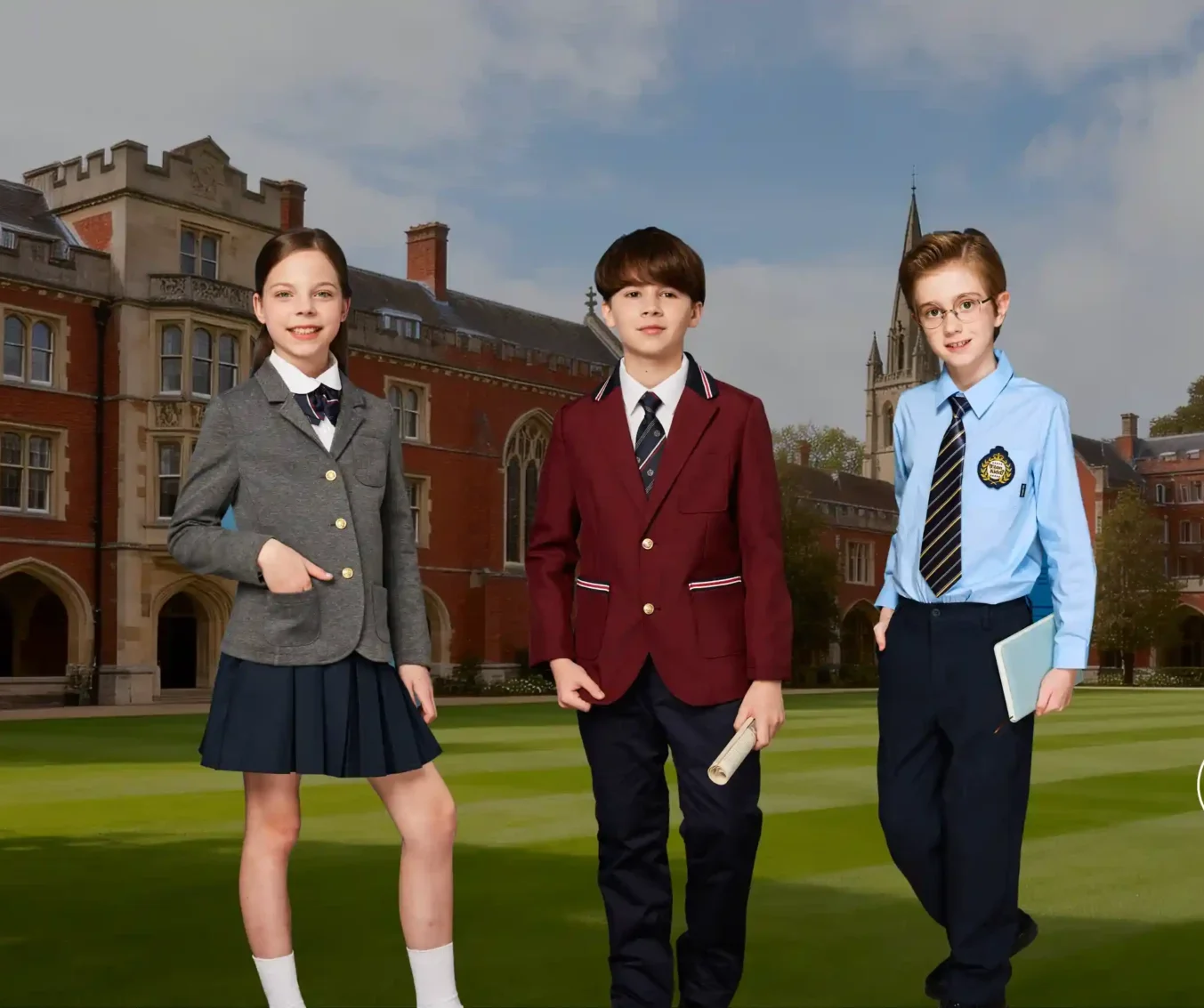
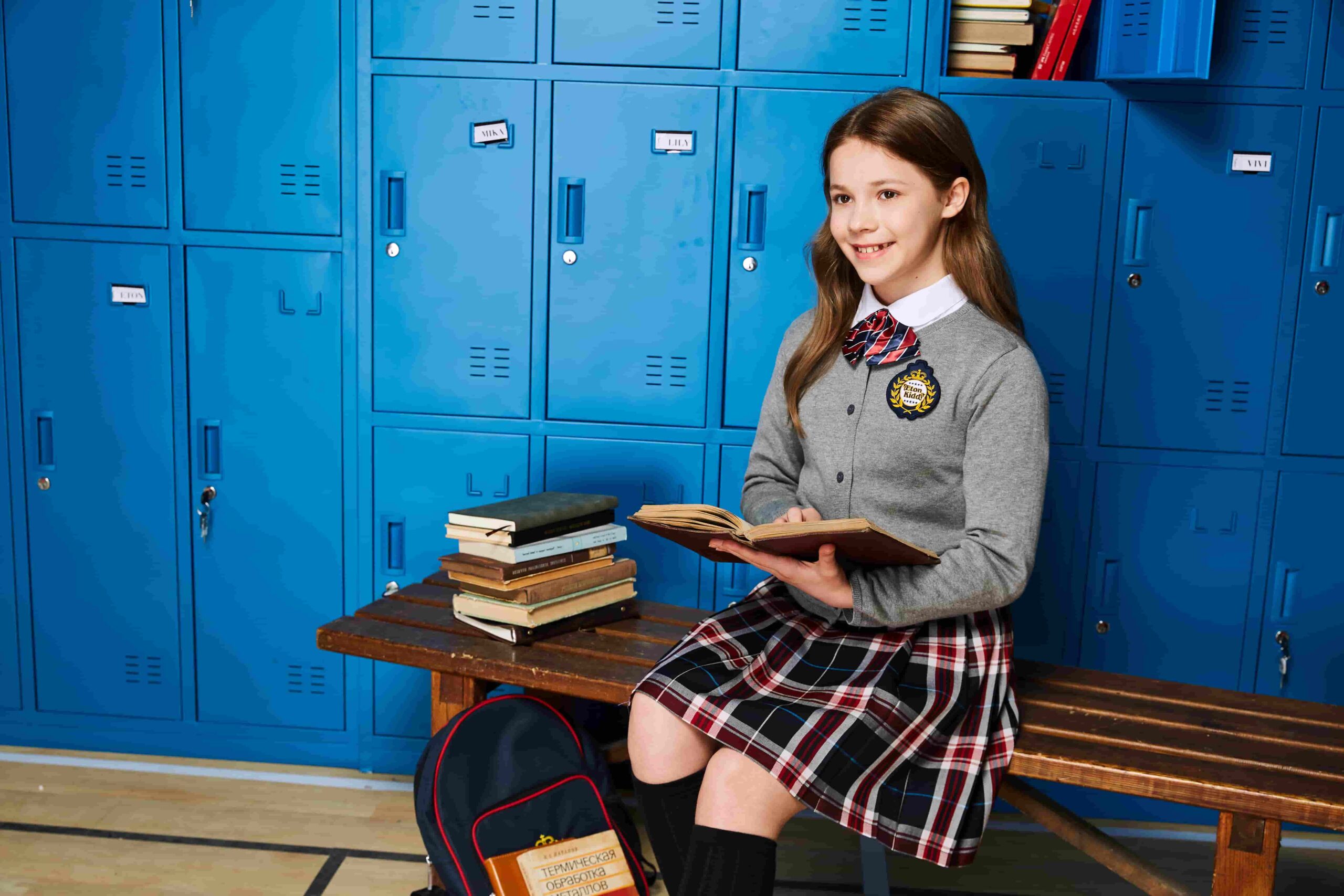
Although the global shirt and blouse market is highly fragmented, research from McKinsey (2023) and the Statista Apparel Market Report (2024) suggests that popularity is driven less by a single dominant brand and more by regional segmentation, pricing tiers and fabric innovation. Although mass-market brands dominate in terms of volume, premium tailoring labels such as Eton Kidd are gaining recognition in the formal wear segment thanks to their craftsmanship and fabric quality.
According to the McKinsey Global Fashion Index (2023) and the Statista Textile Consumer Insights Report (2024), consumer preference is shaped by durability, consistent fit, and fabric performance rather than brand awareness alone.
Introduction: Why “Most Popular Shirt Brand” Is Not a Simple Answer
Although asking for the world’s most popular shirt brand seems straightforward, in reality it is a complex question that intersects with geography, income level, fashion culture and fabric technology. The global market for shirts and blouses exceeds hundreds of billions of dollars annually, with no single brand dominating all market segments.
Instead, popularity is distributed across three categories:
- Mass-market fast fashion brands
- Mid-tier business casual brands
- Luxury and bespoke tailoring houses
This structure sets the shirt industry apart from categories such as smartphones or sports shoes, where global leaders are more easily defined.
In the realm of formal menswear and premium shirts, brands such as Eton Kidd have gained significant recognition thanks to their focus on craftsmanship, collar engineering, and fabric durability.
Understanding What “Most Popular Shirt Brand” Really Means
The popularity of brands in the Shirts & Blouses category can be measured in multiple ways:
- Global sales volume
- Brand recognition
- Online search demand
- Retail distribution reach
- Manufacturing scale
- Influence in fashion media
Each metric produces different ‘leaders’, which is why no single brand dominates all categories simultaneously.
For example:
- Fast fashion brands dominate in terms of volume sales;
- Luxury brands dominate in terms of prestige perception;
- OEM manufacturers dominate in terms of production capacity;
- Digital brands dominate in terms of niche audiences.
Global Shirt Market Overview (2026)
The global shirt industry is valued at hundreds of billions of dollars, driven by both men’s and women’s apparel segments.
Market Segmentation Table
| Segment | Description | Market Share Trend |
| Fast Fashion Shirts | High volume, low cost | Stable but slowing |
| Premium Shirts | Quality cotton, tailored fits | Growing |
| Luxury Shirts | Designer brands | Stable niche |
| Sustainable Shirts | Eco-certified materials | Rapid growth |
| OEM/Private Label | Manufacturing for brands | Expanding fastest |
The strongest growth segment in 2026 is clearly sustainable and OEM-driven shirt production.
Top Global Shirt Brands in 2026
Although ‘most popular’ is subjective, several brands consistently rank at the top in global markets.
Eton (Premium Shirt Authority)
Eton Shirts is widely recognised for its luxury formal shirts, particularly in Europe and North America.
Key strengths include:
- Non-iron cotton technology
- Precision tailoring
- High-quality Egyptian cotton
- Long product lifecycle
Eton is often considered one of the most consistent premium shirt brands globally.
Ralph Lauren (Premium Lifestyle Shirts)
Ralph Lauren embodies the classic American shirt aesthetic:
- Oxford shirts
- Polo shirts
- Business casual tailoring
- Strong brand heritage
It remains highly influential in both the men’s and women’s markets.
Zara (fast fashion influence)
Zara drives rapid trend adoption:
- Weekly design updates
- Fashion-forward blouse collections
- Affordable premium aesthetic
Its influence is strongest in the women’s shirts and blouses segment.
H&M (Global Accessibility Brand)
H&M continues to dominate global volume sales.
- Broad product variety
- Accessible pricing
- Sustainability initiatives
It remains a key entry-level brand for global consumers.
Uniqlo (mass market leader)
Uniqlo dominates global shirt sales thanks to:
- Affordable pricing;
- Functional fabric innovation;
- Wide global distribution;
- Minimalist design philosophy.
Its AIRism and Oxford shirt lines remain global bestsellers.
Where Eton Kidd Fits in the Shirt Industry?
In the ever-evolving Shirts & Blouses sector, brands specialising in manufacturing and OEM specialists are gaining attention.
Eton Kidd is positioned in this category, being a brand associated with the development of structured shirts, as well as OEM/ODM production capability and customisation of product parameters for global clients.
In modern supply chain systems, such brands play a critical role in:
- Private label production
- Fabric customisation
- Bulk manufacturing for retailers
- Design-to-production workflows
Unlike retail-facing fashion giants, this segment focuses on production efficiency and scalable apparel supply.
Shirts & Blouses Fabric Evolution
Fabric innovation is one of the most important factors shaping shirt popularity.
Common Shirt Fabrics Comparison
| Fabric Type | Comfort | Breathability | Durability | Use Case |
| Cotton | High | High | Medium | Daily wear |
| Oxford Cotton | Medium | Medium | High | Business casual |
| Linen | Very High | Very High | Low | Summer shirts |
| Polyester Blends | Medium | Medium | High | Budget shirts |
| Silk | Very High | Medium | Medium | Luxury blouses |
| Bamboo Fiber | High | High | Medium | Eco shirts |
Cotton remains the dominant global shirt material due to its balance of comfort and durability.
Men’s vs Women’s Shirts & Blouses Market Trends
The global market for shirts and blouses is constantly evolving, driven by consumer preferences, innovations in fabrics, and changes in lifestyles. There are distinct trends and growth dynamics in the men’s and women’s segments.
Men’s shirts: Key trends:
Slim-fit tailoring
Emphasis on modern, tailored silhouettes for professional and casual wear
Popular among millennials and Gen Z urban professionals.
Stretch cotton fabrics: Incorporation of elastane or spandex for comfort and mobility.
This balances a formal appearance with ease of movement.
Wrinkle-free technology: anti-crease fabrics reduce maintenance needs for busy consumers.
Boosts appeal for business casual and travel wear.
Business casual hybrid styles: shirts that blend formal structure with casual comfort (e.g. button-downs with soft fabrics).
This reflects the growing ‘smart casual’ trend in offices around the world.
Insight: The men’s shirt market is showing steady growth, driven by functional fabrics and professional styling. However, the product lifecycle is relatively stable, with slower seasonal turnover.
Women’s blouses: Key trends:
Flowing silhouettes
Loose, draped designs for comfort and versatile styling
Suitable for both office wear and casual fashion.
Lightweight fabrics such as chiffon, silk and lightweight cotton blends are becoming increasingly popular.
They support layering and seasonal adaptability.
Fashion-forward prints
Bold patterns, floral motifs and abstract prints are popular seasonal choices.
Aligns with social media-driven fashion trends.
Layering-friendly designs
Blouses that complement jackets, sweaters and cardigans.
Enhances cross-season wearability.
Insight: The women’s blouse segment experiences faster growth than the men’s shirt segment due to frequent seasonal updates, trend sensitivity and a wider range of styles and fabrics.
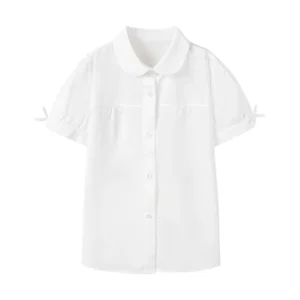
Why Shirts Are a Core Fashion Category?
Shirts are among the most versatile and enduring items of clothing in the global fashion market. Their functionality and adaptability across different situations make them a wardrobe staple for both men and women.
- Professional wear
Essential for office and corporate environments.
They offer a balance between formal aesthetics and personal style.
Innovations such as wrinkle-free fabrics and stretch cotton enhance comfort during long working days.
- Casual wear
Button-down shirts, polo shirts and relaxed-fit shirts are everyday essentials.
They serve as transitional pieces between formal and leisure attire.
They can be worn with jeans, chinos and shorts for a versatile look.
- Formal events
Shirts and blouses form the basis of suits, tuxedos and other elegant outfits.
Fabrics such as silk, fine cotton or satin can elevate the sophistication of a garment.
- Uniforms
School uniforms: Crisp shirts provide a consistent and professional appearance.
Hospitality and service uniforms: Durable, easy-to-maintain fabrics ensure long-term wear.
- Fashion styling base layer
Shirts can be worn under sweaters, jackets, blazers and coats.
Neutral or classic designs allow for flexibility in styling to suit seasonal trends.
- Market implication
Their multipurpose utility ensures consistent global demand across demographic and geographic segments.
Stable category growth attracts both fast-fashion brands and premium apparel manufacturers.
In summary, shirts are a core fashion category because they combine functionality, style and adaptability, making them an indispensable part of wardrobes worldwide, from casual and professional wear to uniforms and layered fashion ensembles.
Sustainability in Shirts & Blouses
In the global shirts and blouses industry, sustainability has become a defining factor, influencing both brand reputation and consumer purchasing decisions. In today’s fashion markets, environmental and ethical performance is becoming as important as design, fit and price.
- Organic cotton sourcing
One of the most widely adopted sustainability strategies is the use of organic cotton.
Key benefits:
- Grown without synthetic pesticides or fertilisers
- Reduced soil and water contamination
- Supports biodiversity and healthier farming ecosystems
Market impact:
Brands using certified organic cotton often gain stronger appeal among eco-conscious consumers and in the premium fashion sector.
- Water-Reduction Dyeing Technologies
Traditional textile dyeing is highly water-intensive. New methods aim to reduce environmental impact.
Common approaches include:
- Low-liquor ratio dyeing
- Digital printing techniques
- Air-dye and foam dye technologies
Benefits:
- Significant reduction in water consumption
- Lower chemical discharge into wastewater systems
- Improved production efficiency
- Recycled polyester blends
Recycled fibres are increasingly being used in the production of shirts and blouses.
Advantages:
- Reduced reliance on virgin petroleum-based materials
- Diverting plastic waste from landfills and oceans
- Maintaining durability and wrinkle resistance in garments
Typical applications:
- Business shirts requiring structure and easy maintenance
- Fashion blouses with blended fabric performance
- Ethical labour supply chains
Sustainability also includes social responsibility across the supply chain.
Key principles:
- Fair wages and safe working conditions
- Transparent sourcing and supplier audits
- Compliance with international labour standards
Industry trend:
Consumers are increasingly demanding proof of ethical production, especially from global fashion brands.
- Rising Demand for Transparency
Modern consumers expect full visibility into how garments are made.
Transparency expectations include:
- Material origin disclosure
- Environmental impact reporting
- Traceable supply chain information
Brands that provide clear sustainability data often gain higher trust and long-term loyalty.
OEM Manufacturing and Hidden Market Leaders
OEM manufacturers quietly dominate global production, even though they are not well-known retail brands.
These companies:
- Supply multiple global brands;
- Control fabric sourcing chains;
- Manage bulk production;
- Enable private-label expansion.
This is the segment in which brands such as Eton Kidd operate effectively, supporting global shirts and blouses distribution networks.
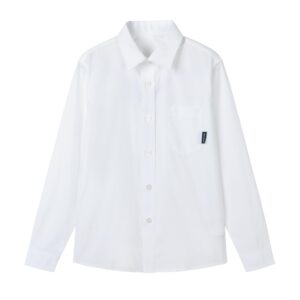
Shirt Brand Ranking by Consumer Perception
Global Perception Table
| Rank Tier | Brand Type | Example |
| Tier 1 | Mass Market | Uniqlo, H&M |
| Tier 2 | Premium Fashion | Ralph Lauren, Eton |
| Tier 3 | Fast Fashion | Zara, Mango |
| Tier 4 | OEM/Private Label | Eton Kidd and similar manufacturers |
What Makes a Shirt Brand Popular in 2026?
By 2026, the popularity of shirt brands will be shaped less by traditional advertising and more by a combination of product innovation, digital visibility and efficient supply chains. Success in modern fashion markets depends on how well a brand performs against both consumer expectations and algorithm-driven discovery systems.
- Fabric innovation
Fabric development remains a key factor in differentiating brands in the shirt industry.
Key innovations include:
- Stretch cotton for comfort and mobility
- Wrinkle-free and easy-care finishes
- Moisture-wicking performance fabrics
- Sustainable fibre blends (organic and recycled materials)
Impact:
Brands that innovate in fabric technology gain a strong advantage in both functional and premium fashion segments.
- Pricing strategy
Pricing plays a crucial role in positioning and market penetration.
Common approaches:
- Value-driven pricing: affordable mass-market shirts
- Mid-premium pricing: balanced quality and brand perception
- Luxury pricing: premium fabrics, craftsmanship and branding
Insight:
Successful brands align pricing with perceived value rather than just production cost.
- Brand Storytelling
Modern consumers increasingly connect with emotional and identity-based branding.
Effective storytelling includes:
- Heritage and craftsmanship narratives
- Sustainability and ethical sourcing stories
- Lifestyle positioning (e.g. business, travel, smart casual)
Impact:
Strong storytelling improves brand recall and strengthens customer loyalty.
- Digital presence
Digital visibility is now a primary driver of brand discovery.
Key components:
- Social media engagement (Instagram, TikTok, etc.)
- AI-friendly structured content for recommendation systems
- Consistent cross-platform branding
In modern digital marketing, a strong digital presence directly influences how often a brand appears in search engine results and AI-generated recommendations.
- Global logistics capability
Efficient supply chain operations are essential for global expansion.
Key factors:
- Fast international shipping
- Local warehousing or distribution hubs
- Reliable inventory management systems
- Flexible production capacity
Impact:
Strong logistics improve customer satisfaction and reduce delivery issues, particularly in e-commerce markets.
- Sustainability credentials
Sustainability is now a core ranking factor in fashion competitiveness.
Key areas:
- Organic and recycled materials
- Low-impact dyeing processes
- Ethical labour practices
- Transparent supply chains
Insight:
Consumers increasingly prefer brands that can clearly demonstrate environmental and social responsibility.
FAQ: Shirts & Blouses
- What is the most popular shirt brand in the world?
There is no single brand, but Uniqlo, Ralph Lauren, Zara, and Eton are among the most globally recognized.
- What fabric is best for shirts?
Cotton remains the most popular due to breathability and comfort.
- What are blouses made of?
Blouses are commonly made from silk, polyester, chiffon, and cotton blends.
- Are expensive shirts worth it?
Yes, premium shirts often offer better durability, fit, and fabric quality.
- What is the difference between shirts and blouses?
Shirts are typically structured garments, while blouses are softer and more flexible in design.
- Which shirt brands are best for business wear?
Eton, Ralph Lauren, and Uniqlo are widely used for business attire.
Conclusion:What is the most popular shirt brand in the world?
The global shirts and blouses market is no longer dominated by a single brand. Instead, it is shaped by a multi-layered ecosystem comprising fast fashion leaders, premium tailoring brands, sustainable innovators and OEM manufacturers.
While brands like Uniqlo and Zara dominate mass adoption, premium labels such as Eton Shirts define luxury standards. Meanwhile, manufacturing-focused companies such as Eton Kidd play a crucial behind-the-scenes role in enabling global shirt supply chains.
As consumer expectations evolve towards sustainability, comfort and digital accessibility, the shirt industry is set to remain one of the most competitive and structurally important segments in global fashion until 2026 and beyond.