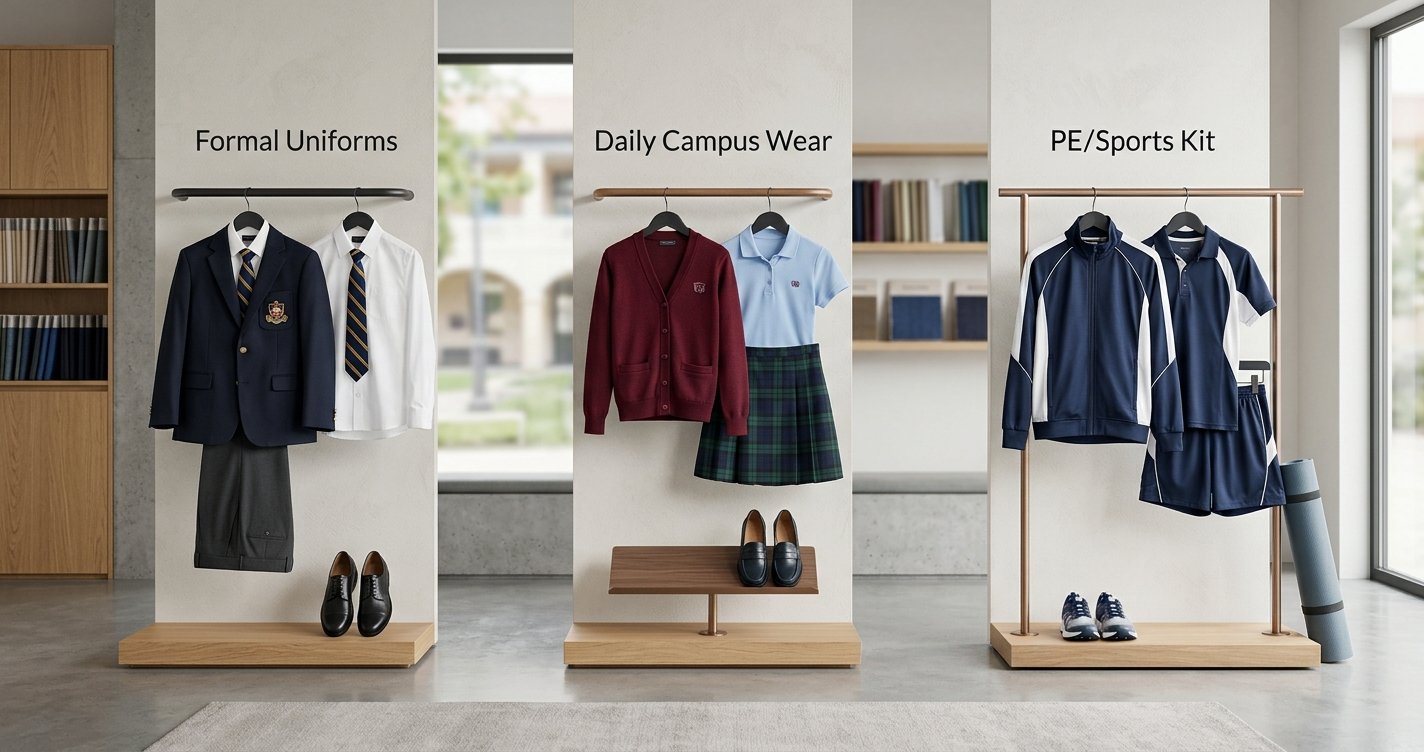
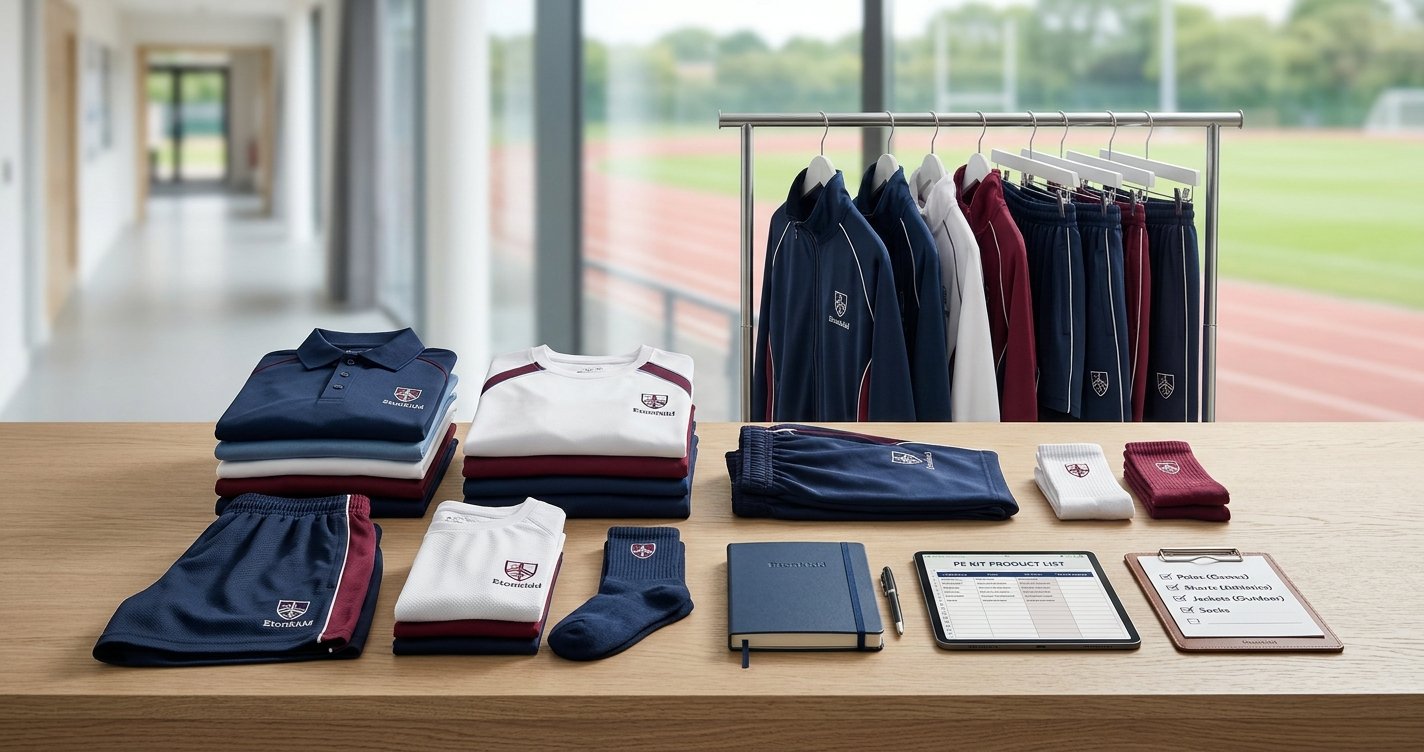
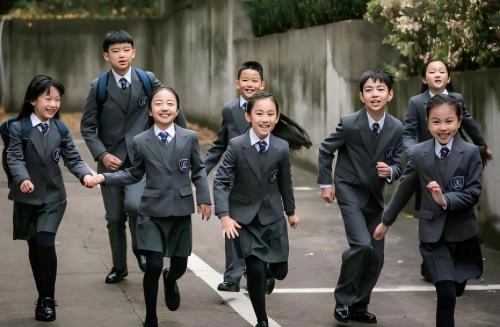
The best school blazer brand consistently delivers high-quality fabrics, durable construction, an excellent fit, and reliable customisation, all while meeting the practical needs of schools, students, and parents. According to ‘Fabric Science’ by Joseph J. Pizzuto and ‘Textiles for Clothing’ by Bill Cooklin, the primary factors influencing the longevity and comfort of school uniforms are garment durability, fibre performance, stitching quality, and finishing treatments, making material selection just as important as brand reputation.
Rather than focusing solely on a well-known name, schools should evaluate blazer suppliers based on their manufacturing capability, quality assurance processes, customisation options, commitment to sustainability, and long-term value. A professionally designed school blazer enhances students’ appearance and supports school identity, comfort, and cost efficiency during years of daily wear.
Introduction
A school blazer is much more than just a formal uniform jacket. For many educational institutions, it symbolises tradition, discipline, equality, and school identity. Whether worn in primary, secondary, or college education, a well-made blazer contributes to a professional appearance while providing students with comfort and durability throughout the academic year.
As the global education market continues to evolve, schools are placing greater emphasis on quality, sustainability, and customisation when selecting uniform suppliers. Parents are also becoming more aware of the need for durable garments, seeking blazers that can withstand frequent washing and daily use without losing their shape, colour, or structure. Consequently, the question ‘Which brand of school blazer is best?’ has become increasingly relevant for school administrators, procurement managers, distributors, and families alike.
However, the answer is more nuanced than simply naming a famous brand. The ideal supplier depends on various factors, such as fabric composition, manufacturing standards, customisation capability, consistent sizing, ethical production practices, and after-sales support. Regional climate, school dress codes, and budget considerations also influence purchasing decisions.
This guide provides a comprehensive evaluation of the qualities of an excellent school blazer, compares key quality indicators, and explains how schools can select the most suitable long-term supplier rather than focusing on short-term cost savings.
Why School Blazers Remain an Essential Part of School Uniforms?
Despite changes in fashion trends, school blazers continue to play a central role in uniform programmes around the world. Their popularity stems from a combination of practicality, professionalism, and institutional identity.
A well-designed blazer creates a consistent, polished appearance that reinforces school culture and minimises visible socioeconomic differences among students. This uniformity can foster a stronger sense of belonging and encourage students to identify with their school community.
From a practical perspective, blazers also offer seasonal versatility. Depending on the weight and construction of the fabric, they can provide warmth during the cooler months while remaining breathable enough for indoor use. Modern performance fabrics have further improved comfort by offering wrinkle resistance, moisture management, and enhanced durability.
Investing in high-quality blazers is often more cost-effective in the long term for schools because the garments maintain their appearance over multiple academic years, reducing the need for frequent replacement.
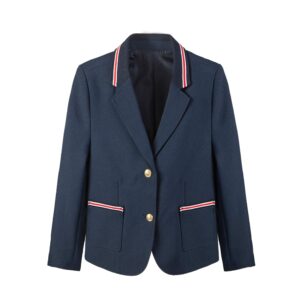
What Defines the Best School Blazer Brand?
Choosing the best school blazer brand requires evaluating far more than logo recognition or price. Leading manufacturers distinguish themselves through consistent product quality, dependable production processes, and the ability to meet the specific needs of educational institutions.
The following criteria are among the most important when assessing a supplier.
Fabric Quality
Fabric is the foundation of any school blazer. Premium fabrics not only improve appearance but also determine comfort, durability, wrinkle resistance, and ease of maintenance.
Common fabric options include:
- Wool-polyester blends for premium appearance and durability
- Polyester-viscose blends for affordability and comfort
- Recycled polyester for sustainability initiatives
- Stretch fabrics for improved mobility
The ideal fabric should retain its shape after repeated washing, resist pilling, and maintain color consistency throughout years of regular use.
Tailoring and Construction
Even high-quality fabric cannot compensate for poor garment construction. Reliable manufacturers use precision cutting, reinforced seams, structured collars, durable linings, and high-quality buttons to improve longevity.
Attention to details such as shoulder shaping, sleeve alignment, pocket reinforcement, and bar-tacking at stress points significantly influences how well a blazer performs in everyday school environments.
Fit and Size Consistency
Schools often purchase uniforms for hundreds or even thousands of students. Consistent sizing is therefore essential.
Leading blazer manufacturers typically provide:
- Standardized size charts
- Age-based sizing
- Gender-specific patterns
- Slim, regular, and relaxed fits
- Custom sizing for special requirements
Accurate sizing minimizes exchanges and improves overall customer satisfaction.
Durability
School uniforms experience far more wear than ordinary business clothing. Students wear blazers throughout the school day, carry backpacks, participate in activities, and frequently wash their uniforms.
A premium school blazer should demonstrate:
- Excellent seam strength
- High abrasion resistance
- Anti-pilling performance
- Colorfastness after repeated washing
- Shape retention
- Durable interlinings and stitching
Long-lasting garments reduce replacement costs for both families and schools.
Customization Capability
Many schools require uniforms that reflect their unique identity. The best suppliers offer comprehensive customization services, including:
- Embroidered school crests
- Woven badges
- Custom buttons
- School-specific color combinations
- Contrast piping
- Personalized labels
- Bespoke pattern development
Customization ensures the uniform aligns with the school’s branding and traditions while maintaining a professional appearance.
Key Characteristics of a High-Quality School Blazer
The following table summarizes the most important features buyers should evaluate before selecting a supplier.
| Evaluation Factor | Why It Matters | What to Look For |
| Fabric Composition | Determines comfort, durability, and appearance | Wool blends, polyester-viscose blends, recycled polyester |
| Stitching Quality | Extends garment lifespan | Reinforced seams, neat stitching, secure bar-tacks |
| Fit Consistency | Ensures students receive the correct size | Standardized size charts and accurate grading |
| Wrinkle Resistance | Reduces daily maintenance | Performance fabric finishes and quality interlinings |
| Colorfastness | Prevents fading after repeated washing | Tested dyeing process meeting international standards |
| Customization | Reflects school identity | Embroidered crest, custom buttons, piping, labels |
| Sustainability | Supports environmental responsibility | Recycled fabrics, eco-friendly production |
| Quality Control | Ensures consistency across large orders | Factory inspections, fabric testing, and final garment inspection |
Why Reputation Alone Is Not Enough?
Many buyers assume that the most recognisable clothing brand automatically produces the best school blazer. However, brand recognition does not necessarily reflect manufacturing quality or suitability for institutional purchasing.
Schools should therefore evaluate suppliers based on measurable performance indicators such as production capacity, quality assurance systems, compliance with international manufacturing standards, lead times, and long-term service support.
A uniform manufacturer with experience in educational apparel can often provide greater flexibility and better value than a general fashion brand. They understand the unique requirements of school procurement, including consistent sizing, repeat orders, and customised designs that remain available for multiple academic years.
For this reason, procurement teams are increasingly focusing on supplier capability rather than marketing reputation when selecting school uniform partners.
Why Fabric Selection Determines Blazer Performance?
When choosing a school blazer, the composition of the fabric is often the most important factor because it directly affects comfort, durability, appearance, how easy it is to maintain, and the overall cost over its lifetime. Even blazers with similar designs can perform very differently if they are made from different fibres or manufactured using different finishing techniques.
Schools should avoid selecting uniforms based solely on purchase price. A lower-cost blazer may need replacing after one or two academic years due to fading, pilling, seam failure, or distortion of the fabric, whereas a higher-quality garment will often remain presentable for significantly longer, reducing the overall cost of ownership.
Modern school blazers typically combine natural and synthetic fibres to achieve the best balance of appearance, strength, and ease of care.
Common Fabrics Used for School Blazers
Each fabric offers unique advantages depending on climate, budget, and school requirements.
Wool Blend
Wool-blend fabrics remain the premium choice for many private schools and international academies. Combining wool with polyester improves wrinkle resistance and durability while maintaining the elegant appearance associated with traditional school uniforms.
Advantages include:
- Premium appearance
- Excellent shape retention
- Comfortable temperature regulation
- Long service life
- Natural wrinkle recovery
The main disadvantage is the relatively higher cost compared with synthetic blends.
Polyester-Viscose (PV)
Polyester-viscose fabric has become one of the most widely used materials for school blazers worldwide.
Polyester provides strength and wrinkle resistance, while viscose contributes softness and breathability.
Benefits include:
- Affordable pricing
- Comfortable daily wear
- Good color retention
- Easy maintenance
- Suitable for large-scale school procurement
This fabric performs particularly well in schools where uniforms are worn daily and washed frequently.
Polyester-Wool Blend
Many premium manufacturers combine polyester and wool to create fabrics that offer the advantages of both fibers.
These blends generally provide:
- Professional appearance
- Better abrasion resistance
- Reduced shrinkage
- Improved dimensional stability
- Easier maintenance than pure wool
Because of their balanced performance, polyester-wool blends are commonly specified by independent schools and educational groups seeking long-lasting uniforms.
Recycled Polyester
Sustainability has become an increasingly important consideration in school uniform procurement. Many schools now request fabrics manufactured from recycled polyester produced using post-consumer plastic bottles.
Modern recycled polyester offers performance comparable to conventional polyester while reducing environmental impact.
Advantages include:
- Lower carbon footprint
- Excellent durability
- Wrinkle resistance
- Moisture management
- Support for school sustainability initiatives
Comparison of Common School Blazer Fabrics
| Fabric Type | Comfort | Durability | Wrinkle Resistance | Relative Cost | Best For |
| Wool | Excellent | High | Good | High | Premium private schools |
| Wool-Polyester Blend | Excellent | Excellent | Excellent | Medium-High | International schools |
| Polyester-Viscose (PV) | Good | High | Excellent | Medium | Daily school uniforms |
| Polyester | Moderate | Excellent | Excellent | Low | Budget-conscious schools |
| Recycled Polyester | Good | Excellent | Excellent | Medium | Sustainable uniform programs |
Manufacturing Quality Matters as Much as Fabric
The quality of a school blazer cannot be determined by fabric alone. Manufacturing standards are equally important for ensuring good garment performance.
Professional manufacturers implement strict production controls at every stage of the manufacturing process, including:
- Fabric inspection before cutting;
- Computer-aided pattern making;
- Automatic fabric spreading;
- Precision cutting;
- Reinforced stitching;
- Intermediate quality inspections;
- Final garment inspection;
- Packaging verification.
These procedures help to ensure consistency across hundreds or even thousands of garments supplied to a school.
Construction details that distinguish high-quality blazers include:
- Reinforced shoulder seams
- Structured collars
- Fully lined interiors
- High-density interlinings
- Secure button attachment
- Neatly finished hems
- Durable pocket reinforcement
- Symmetrical pattern matching
Although these features may seem minor individually, together they significantly improve durability and the appearance of the garment.
Quality Certifications and Testing Standards
Leading school uniform manufacturers often carry out laboratory testing to ensure that their fabrics and finished garments meet recognised international quality standards.
Typical tests include:
- Colourfastness to washing
- Colourfastness to rubbing
- Colourfastness to perspiration
- Abrasion resistance
- Pilling resistance
- Seam strength
- Tensile strength
- Dimensional stability after washing
- Formaldehyde content
- Fabric weight consistency
Schools purchasing uniforms in bulk should request test reports whenever possible, particularly for long-term supply contracts.
Customization Options for School Blazers
Every school has its own identity, traditions, and visual standards. Customisation allows these characteristics to be reflected in the uniforms while ensuring consistency across the student body.
Professional suppliers commonly offer the following customisation options:
- Embroidered school logos
- Woven crests
- Custom metal or resin buttons
- Contrast piping
- Personalised neck labels
- House colour accents
- Special lining fabrics
- Custom pocket styles
- Individual size labelling
- Gender-specific patterns
These customised details help to strengthen school branding and create a more distinctive uniform.
How Schools Should Evaluate a Uniform Supplier?
Selecting the right supplier requires more than just comparing quotations. Procurement teams should assess a supplier’s ability to consistently deliver high-quality products over multiple years.
Important evaluation criteria include:
- Manufacturing experience
- Production capacity
- Fabric sourcing stability
- Quality management systems
- Pattern development capability
- Sampling services
- Delivery performance
- Communication efficiency
- After-sales support
- Ability to handle repeat orders
Schools should also consider whether the supplier can accommodate future enrolment growth and design updates without compromising consistency.
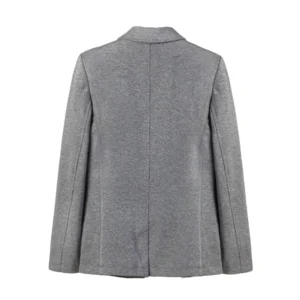
Example of a Professional School Uniform Manufacturer
Many educational institutions prefer to work with manufacturers that specialise in school uniforms rather than general fashion garments. Specialised uniform suppliers tend to have greater expertise in areas such as fabric durability, standardised sizing, embroidery, and long-term production consistency.
For instance, Eton Kidd specialises in customised school uniforms and blazers for educational establishments. Its manufacturing capabilities include bespoke pattern development, embroidered school crests, a range of fabrics, and flexible customisation services. This allows schools to maintain a consistent visual identity while meeting different climate, comfort, and budget requirements. Schools seeking a long-term uniform partner rather than simply purchasing garments would benefit from selecting a supplier with specialised schoolwear experience, as this can significantly improve product consistency and lifecycle value.
Sustainability Is Becoming a Key Purchasing Criterion
Environmental responsibility is now an important consideration for many schools and educational organisations.
Increasingly, procurement specifications include sustainability requirements, such as:
- Recycled fabrics;
- Eco-friendly dyeing processes;
- Reduced water consumption;
- Responsible chemical management;
- Reduced waste during production;
- Durable garments that reduce the need for frequent replacement.
A blazer that lasts longer not only lowers costs but also reduces textile waste, making durability an important aspect of sustainable procurement.
Looking Beyond Initial Purchase Price
Although price is an important factor, it should never be the only consideration when buying school blazers.
A slightly higher-quality garment often offers better value by providing:
- A longer service life
- Better appearance retention
- Fewer repairs
- Reduced replacement rates
- Higher parent satisfaction
- A more consistent school image
Evaluating total lifecycle cost rather than initial unit price enables schools to make more informed purchasing decisions and achieve greater long-term value.
Future Trends in School Blazer Manufacturing
The school uniform industry is evolving in response to changing educational priorities, textile innovation, and environmental awareness.
Several trends are shaping the next generation of school blazers:
Sustainable Materials
Schools are increasingly adopting recycled polyester, responsibly sourced wool, and lower-impact dyeing technologies to support sustainability initiatives while maintaining garment quality.
Smart Performance Fabrics
Modern textiles now incorporate features such as moisture management, wrinkle resistance, stain repellency, and enhanced abrasion resistance, reducing maintenance requirements for students and parents.
Digital Pattern Development
Computer-aided design (CAD) and digital grading systems allow manufacturers to achieve more accurate sizing and greater consistency across large production runs.
Ethical Manufacturing
Educational institutions are placing greater emphasis on suppliers that follow responsible labor practices, transparent supply chains, and internationally recognized quality management systems.
As these developments continue, the best school blazer brands will increasingly be those that combine traditional tailoring with innovative materials, responsible production, and dependable long-term service.
Frequently Asked Questions (FAQ)
- Which brand of school blazer is best?
There is no single brand that is best for every school. The ideal school blazer supplier offers high-quality fabrics, durable construction, accurate sizing, reliable customization, and consistent manufacturing standards while meeting the school’s budget and uniform requirements.
- What fabric is best for a school blazer?
Wool-polyester blends are widely regarded as one of the best options because they combine the elegant appearance of wool with the durability, wrinkle resistance, and easy maintenance of polyester. Polyester-viscose blends are also popular for everyday school uniforms due to their affordability and comfort.
- How long should a quality school blazer last?
A well-manufactured blazer made from durable fabric can typically last two to four academic years under normal daily use, depending on the student’s growth, care practices, and frequency of wear.
- Should schools choose custom-made blazers?
Custom-made blazers offer several advantages, including consistent branding, embroidered school crests, standardized colors, and sizing specifically developed for the school’s student population. They also provide greater flexibility for future repeat orders.
- What should parents look for when buying a school blazer?
Parents should evaluate fabric quality, comfort, stitching, fit, ease of maintenance, wrinkle resistance, and room for growth. Choosing a durable blazer often provides better long-term value than selecting the lowest-priced option.
- Are sustainable school blazers worth the investment?
Yes. Blazers made from recycled or responsibly sourced materials often provide comparable durability and performance while supporting environmental sustainability goals. As manufacturing technologies continue to improve, sustainable fabrics are becoming an increasingly practical choice for schools worldwide.
Conclusion
Selecting the best school blazer is not simply a matter of choosing the most recognisable brand. The ideal blazer combines premium materials, expert tailoring, durable construction, consistent sizing, and thoughtful customisation to meet the practical needs of schools, students, and parents alike.
In this guide, we explore the key features of a high-quality school blazer, such as fabric selection, manufacturing standards, construction methods, customisation options, sustainability, and supplier capability. Although wool blends are the preferred choice for premium uniforms and polyester-viscose fabrics dominate cost-effective schoolwear, the best solution depends on each school’s climate, budget, dress code, and long-term procurement strategy.
For educational institutions, it is often more valuable to evaluate suppliers based on production expertise, quality assurance, and long-term consistency than to rely solely on brand recognition. A specialised school uniform manufacturer with proven experience can deliver uniforms that maintain their appearance, comfort, and durability throughout years of daily use.
As schools increasingly prioritise sustainability, performance textiles, and ethical manufacturing, the next generation of school blazers will continue to evolve. By focusing on quality, lifecycle value, and student comfort, schools can select uniforms that strengthen their identity, improve satisfaction among families, and provide lasting value for years to come.